Presentation Training for Engineers: Building Skills Across a Technical Team

Engineering firms depend on a wide range of specialists: structural, civil, mechanical, electrical, environmental. Each discipline has its own vocabulary and habits, and each brings experts to client meetings. Presentation training for the whole technical team helps those specialists speak in a way clients can follow and gives the firm a consistent voice across disciplines. Teams that train together also find it easier to give each other honest feedback afterward, since everyone has used the same vocabulary for what makes a presentation work.
Start With a Common Framework
A shared framework keeps a multi-discipline presentation from feeling like a series of separate reports. Training introduces a simple one: the client's problem, the options considered, the recommendation, and the plan to deliver it. Each specialist then fits their part into that structure. The result is a presentation where the structural engineer, the civil engineer, and the project manager all appear to be telling a single story.
Reduce the Jargon Gap
Specialists often assume the audience knows terms that are routine inside their group. Training includes an exercise where participants explain their work to a colleague from another discipline, who flags every term that needs translation. The same exercise works with a non-technical person such as an administrator or marketing colleague. Participants quickly learn which words create distance and which comparisons make an idea clear. Participants are encouraged to bring a real figure from a current project, which keeps the exercise practical and lets them reuse the improved version immediately.
Design Visuals for Decisions
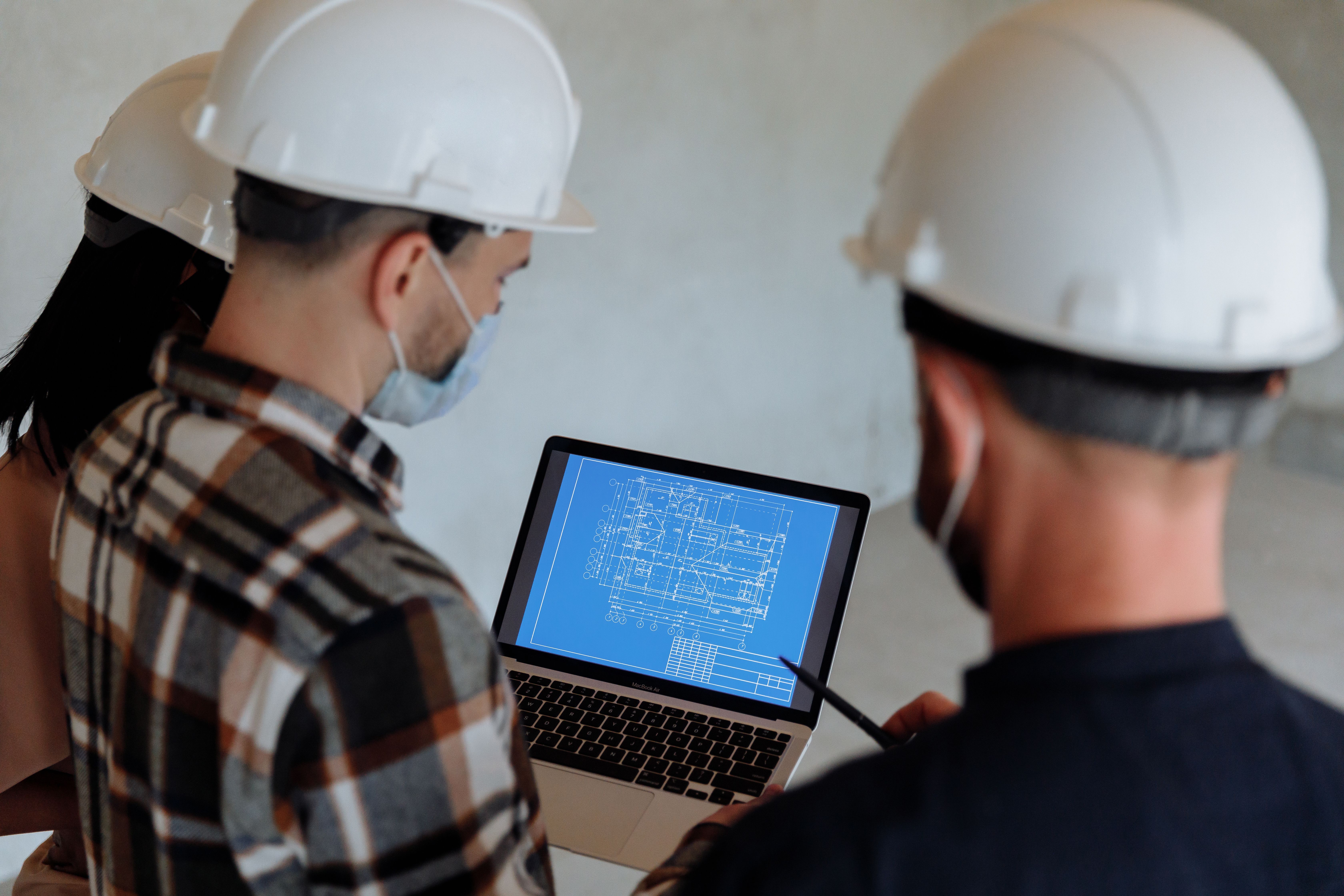
Engineering visuals often come from analysis software and were designed for engineers. Training covers how to turn them into visuals for decision makers. That means removing extra data series, enlarging labels, highlighting the one value that matters, and adding a plain-language headline. Participants rebuild a few of their own charts in a session and compare the before and after versions, which makes the point clearly.
Coordinate Handoffs Between Specialists
In team presentations, the transition between speakers is where attention drops. Training teaches a handoff method in which each presenter ends with a sentence that points to the next topic and introduces the next speaker by role and relevance. Teams also agree in advance on who answers cross-discipline questions, so the group does not stall while two people wait for the other to speak. A rehearsal held a week ahead leaves enough time to correct problems, while one held the night before only produces anxiety.
Make Time for Rehearsal
Engineering teams are busy, and rehearsal is the first thing dropped. Training makes the case for building it into the schedule and shows how to make it efficient. A short run-through with a timer, followed by ten minutes of feedback, can catch most of the problems that would otherwise appear in front of the client. Recording the run-through gives presenters a clear view of their own delivery. Short notes written within a day of the presentation are far more accurate than ones written weeks later.
Collect and Share What Works
Each presentation teaches something about what the client values. A firm can capture that by keeping a short record after each major presentation: the audience, the questions asked, the result, and one thing the team would change. Over time this record helps new staff learn the firm's approach and gives leadership a basis for improving its training.
The Bottom Line
Presentation training across an engineering team creates a shared structure, plain language, decision-focused visuals, smooth handoffs, and steady rehearsal. Clients see a firm whose specialists work as one group, and that impression supports the technical work behind it.